Iran and Oman have agreed to pursue a temporary shipping corridor through the Strait of Hormuz and launch efforts to clear mines from the strategic waterway, in the latest diplomatic push to restore the flow of vessels through the Strait.
The proposal came as China rejected mounting US pressure on countries maintaining economic ties with Iran, warning that Washington’s threatened sanctions would further escalate tensions.
Iranian and Omani officials said Tuesday they had discussed a phased framework for establishing a temporary shipping corridor and clearing mines from the strait, while continuing negotiations on a permanent mechanism for managing traffic through the waterway.
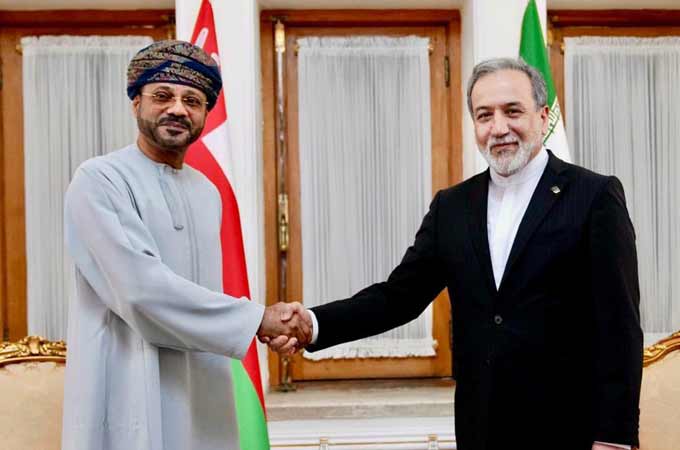
The agreement followed talks in Tehran between Omani Foreign Minister Badr bin Hamad Al Busaidi and Iranian Foreign Minister Abbas Araghchi.
“We are hopeful that we will soon announce a temporary corridor,” Al Busaidi said in a post on X, adding that discussions on the future management of the strait and a permanent solution would follow.
He said Oman would consult regional partners in support of “peace and cooperation, stability and freedom of navigation.”
Araghchi said the proposal demonstrated that Iran's “commitment to peace and stability is matched by steadfast diplomacy with our neighbours.”
The two countries have been negotiating for weeks over arrangements to stabilise shipping through the Strait of Hormuz, which had carried roughly one-fifth of global oil and liquefied natural gas shipments before the conflict disrupted traffic.
The proposed corridor could provide a diplomatic pathway for restoring maritime traffic while avoiding an immediate confrontation over the longer-term question of who controls and administers passage through the strait.
The Iranian-Omani discussions have also become increasingly important as the waterway has emerged as a key issue in efforts to revive stalled negotiations between Tehran and Washington.
Trump threatens action over mines
The diplomatic initiative comes despite renewed threats from US President Donald Trump over the security of the strait.
Trump said earlier that all mines in the Strait of Hormuz had been removed or detonated and warned that the United States would destroy any boats attempting to lay new mines.
“We are watching every square inch of the strait,” Trump said.
Qatar has also backed the Iranian-Omani efforts. Qatari Prime Minister Sheikh Mohammed bin Abdulrahman bin Jassim Al-Thani and Araghchi discussed the proposed temporary corridor by telephone on Tuesday, according to Qatar’s foreign ministry.
Qatar has previously supported efforts by Tehran and Muscat to reach an agreement over the strait, despite Trump’s warning that Oman could face US military action if it interfered with American operations in the waterway.
China rejects US sanctions pressure
The diplomatic moves came as China rejected Washington’s expanding sanctions campaign against Iran.
Beijing warned that US threats of economic sanctions against Iran “will only further intensify tensions” and said cooperation between China and Iran should not be disrupted.
The statement followed US Treasury Secretary Scott Bessent’s warning that an “economic D-Day” was approaching for countries that continue buying Iranian oil.
The Treasury Department has launched a new campaign aimed at tightening economic pressure on Tehran, with measures targeting sectors including aviation, shipping, technology, gold and digital assets such as cryptocurrencies.
Although the sanctions are formally directed at Iran and entities supporting its economy, their impact is likely to extend to businesses and individuals involved in trade with the country.
Washington has also threatened so-called secondary sanctions against countries that continue significant economic dealings with Iran, although it has so far stopped short of imposing the most severe penalties on major trading partners.
China’s opposition could become particularly significant given its role as a major buyer of Iranian oil and its broader economic relationship with Tehran.
Iran, meanwhile, has said it is prepared to withstand the new sanctions.
Tehran seeks revival of US-Iran understanding
Iran is also seeking a return to a memorandum of understanding reached with Washington in June as a possible framework for resolving the dispute over the Strait of Hormuz, according to Iran’s semi-official Tasnim news agency.
An unidentified Iranian source told Tasnim that Pakistan
Oil prices fall on hopes for reopening
The prospect of a temporary shipping corridor through the Strait of Hormuz helped push oil prices lower on Wednesday, extending the previous session’s losses as markets assessed the possibility of a gradual reopening of the waterway.
Brent crude futures fell $1.78, or 2%, to $86.80 a barrel by 0027 GMT, while US West Texas Intermediate crude dropped $1.49, or 1.8%, to $80.87.
Both benchmarks had fallen more than 3% on Tuesday.
Send us your company’s news today and they could be featured on ABC’s Community News tommorow.