
Unintentional release of emissions into the atmosphere can occur at various locations throughout refineries or chemical plants. And due to increasingly stringent regulatory measures across the globe there has never been more pressure on plant operators to reduce if not outright eliminate these fugitive emissions. Reaching net-zero emissions is a formidable challenge. Certain applications may require significant rework of major process infrastructure but elsewhere there are more attainable solutions. For example consider the dozens of grab sampling (or spot sampling) points that may exist throughout a major facility. Depending on your sampling procedures the quality of the sampling system design and the operating technician s skill level each of these points represents potential for leaks. This potential exists in the form of spillage when sample containers are released or leaks if sampling systems are constructed sub-optimally or with substandard components. The good news is that fixing leaks and stopping fugitive emissions in sampling systems can be relatively simple and cost-effective. WHAT IS A CLOSED-LOOP SAMPLING SYSTEM? Reducing emissions in any chemical or hydrocarbon process fundamentally involves keeping fluids and gases contained within the system. A closed-loop sampling system when designed and constructed correctly does exactly that. Closed-loop systems draw in process fluid and flow it through the sampling point where a portion of it (the sample) is collected in a sealed container (a cylinder or bottle). Then the system returns the fluid to the main process. This is all achieved without exposing the operator or the atmosphere to the fluid at any point. Closed-loop systems often represent the best method to help operators reduce emissions and improve safety (Figure 1). Comparatively some sampling methods may instead involve drawing process fluid flowing it through the sample point and flaring or otherwise disposing of the excess. Other methods may simply tap part of the main process while the operator manually draws fluid into an open container. These alternative methods not only increase the potential for unwanted fugitive emissions via flaring or exposed processes but they can also present significant safety threats to operators. Because they can eliminate waste by returning fluid to the main process and because they can shield both operators and the environment from exposure to the fluid closed-loop systems often represent the best method to help operators reduce emissions and maintain safe working environments. QUALITIES OF LEAK-TIGHT CLOSED-LOOP SAMPLING SYSTEMS A closed-loop system must be designed and constructed properly to minimise leaks at sampling points throughout the facility. There are a few features to look for when selecting a closed-loop system: Sampling systems are constructed from leak-tight components: A sampling system s quality depends on the quality of its components. For example low emission (low-E) valves which demonstrate through rigorous testing per API standards that they can minimise fugitive emissions may be incorporated into the sampling system s design to minimise the potential for unwanted leaks. Certified low-E valves and other components are becoming increasingly common throughout the industry and in various fluid system applications as emissions regulations become stricter. Sampling systems are designed and assembled to minimise potential leak points: Even the highest-quality valve or fitting has the potential to leak under certain conditions. By designing systems with as few connection points as possible however you can reduce the potential for unwanted leaks and resulting fugitive emissions. If leaks do occur where high-quality components have been used this is typically a result of improper installation practices. Customers need to ensure that their grab sampling systems have been assembled and tested by trained specialists to avoid these issues. Sampling systems feature optimal sample drawing technology: The point at which the technician draws the sample into a bottle or cylinder container represents another point where leaks can occur. There are a few technologies that can help eliminate them. In a liquid closed-loop system where samples are collected in bottles the fluid is commonly dispensed via a needle that pierces a rubber septum. Ideally as the needle is withdrawn the rubber septum reforms a complete seal. Lancet point needles are commonly used in these applications but they may accidentally cut or core the septum allowing fluid to escape. A better needle design option is the pencil point needle which reduces the potential for cutting the septum with a unique design that discharges the sample through a hole on the needle s side. In gas or volatile liquid sampling systems where cylinders are used cylinders that feature easily operable quick connects will allow for efficient and safe connecting and disconnecting from your sampling point. REDUCING FUGITIVE EMISSIONS IN SAMPLING SYSTEMS Well-designed closed-loop sampling systems can limit fugitive emissions by preventing exposure of process fluid to the environment. They can also reduce risk to sampling system technicians by keeping process fluids fully contained. The right supplier can provide easy-to-use easy-to-maintain grab sampling panels in standard configurable designs that can be reproduced across your facilities not only minimising fugitive emissions and risk but simplifying operator training and potential for errors.
Read More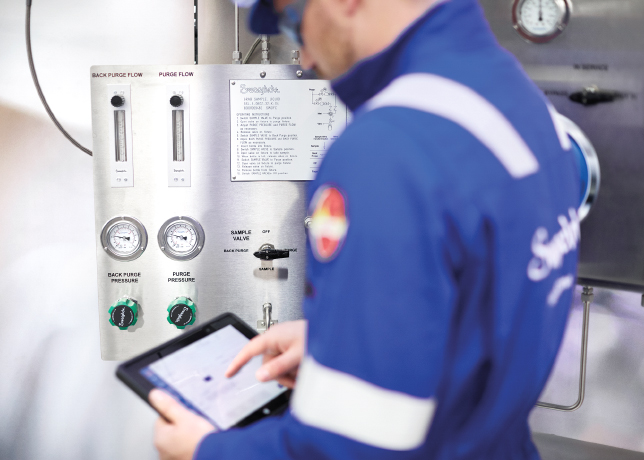
Unintentional release of emissions into the atmosphere can occur at various locations throughout refineries or chemical plants. And due to increasingly stringent regulatory measures across the globe there has never been more pressure on plant operators to reduce if not outright eliminate these fugitive emissions. Reaching net-zero emissions is a formidable challenge. Certain applications may require significant rework of major process infrastructure but elsewhere there are more attainable solutions. For example consider the dozens of grab sampling (or spot sampling) points that may exist throughout a major facility. Depending on your sampling procedures the quality of the sampling system design and the operating technician s skill level each of these points represents potential for leaks. This potential exists in the form of spillage when sample containers are released or leaks if sampling systems are constructed sub-optimally or with substandard components. The good news is that fixing leaks and stopping fugitive emissions in sampling systems can be relatively simple and cost-effective. WHAT IS A CLOSED-LOOP SAMPLING SYSTEM? Reducing emissions in any chemical or hydrocarbon process fundamentally involves keeping fluids and gases contained within the system. A closed-loop sampling system when designed and constructed correctly does exactly that. Closed-loop systems draw in process fluid and flow it through the sampling point where a portion of it (the sample) is collected in a sealed container (a cylinder or bottle). Then the system returns the fluid to the main process. This is all achieved without exposing the operator or the atmosphere to the fluid at any point. Closed-loop systems often represent the best method to help operators reduce emissions and improve safety (Figure 1). Comparatively some sampling methods may instead involve drawing process fluid flowing it through the sample point and flaring or otherwise disposing of the excess. Other methods may simply tap part of the main process while the operator manually draws fluid into an open container. These alternative methods not only increase the potential for unwanted fugitive emissions via flaring or exposed processes but they can also present significant safety threats to operators. Because they can eliminate waste by returning fluid to the main process and because they can shield both operators and the environment from exposure to the fluid closed-loop systems often represent the best method to help operators reduce emissions and maintain safe working environments. QUALITIES OF LEAK-TIGHT CLOSED-LOOP SAMPLING SYSTEMS A closed-loop system must be designed and constructed properly to minimise leaks at sampling points throughout the facility. There are a few features to look for when selecting a closed-loop system: Sampling systems are constructed from leak-tight components: A sampling system s quality depends on the quality of its components. For example low emission (low-E) valves which demonstrate through rigorous testing per API standards that they can minimise fugitive emissions may be incorporated into the sampling system s design to minimise the potential for unwanted leaks. Certified low-E valves and other components are becoming increasingly common throughout the industry and in various fluid system applications as emissions regulations become stricter. Sampling systems are designed and assembled to minimise potential leak points: Even the highest-quality valve or fitting has the potential to leak under certain conditions. By designing systems with as few connection points as possible however you can reduce the potential for unwanted leaks and resulting fugitive emissions. If leaks do occur where high-quality components have been used this is typically a result of improper installation practices. Customers need to ensure that their grab sampling systems have been assembled and tested by trained specialists to avoid these issues. Sampling systems feature optimal sample drawing technology: The point at which the technician draws the sample into a bottle or cylinder container represents another point where leaks can occur. There are a few technologies that can help eliminate them. In a liquid closed-loop system where samples are collected in bottles the fluid is commonly dispensed via a needle that pierces a rubber septum. Ideally as the needle is withdrawn the rubber septum reforms a complete seal. Lancet point needles are commonly used in these applications but they may accidentally cut or core the septum allowing fluid to escape. A better needle design option is the pencil point needle which reduces the potential for cutting the septum with a unique design that discharges the sample through a hole on the needle s side. In gas or volatile liquid sampling systems where cylinders are used cylinders that feature easily operable quick connects will allow for efficient and safe connecting and disconnecting from your sampling point. REDUCING FUGITIVE EMISSIONS IN SAMPLING SYSTEMS Well-designed closed-loop sampling systems can limit fugitive emissions by preventing exposure of process fluid to the environment. They can also reduce risk to sampling system technicians by keeping process fluids fully contained. The right supplier can provide easy-to-use easy-to-maintain grab sampling panels in standard configurable designs that can be reproduced across your facilities not only minimising fugitive emissions and risk but simplifying operator training and potential for errors.
Unintentional release of emissions into the atmosphere can occur at various locations throughout refineries or chemical plants. And due to increasingly stringent regulatory measures across the globe there has never been more pressure on plant operators to reduce if not outright eliminate these fugitive emissions. Reaching net-zero emissions is a formidable challenge. Certain applications may require significant rework of major process infrastructure but elsewhere there are more attainable solutions. For example consider the dozens of grab sampling (or spot sampling) points that may exist throughout a major facility. Depending on your sampling procedures the quality of the sampling system design and the operating technician s skill level each of these points represents potential for leaks. This potential exists in the form of spillage when sample containers are released or leaks if sampling systems are constructed sub-optimally or with substandard components. The good news is that fixing leaks and stopping fugitive emissions in sampling systems can be relatively simple and cost-effective. WHAT IS A CLOSED-LOOP SAMPLING SYSTEM? Reducing emissions in any chemical or hydrocarbon process fundamentally involves keeping fluids and gases contained within the system. A closed-loop sampling system when designed and constructed correctly does exactly that. Closed-loop systems draw in process fluid and flow it through the sampling point where a portion of it (the sample) is collected in a sealed container (a cylinder or bottle). Then the system returns the fluid to the main process. This is all achieved without exposing the operator or the atmosphere to the fluid at any point. Closed-loop systems often represent the best method to help operators reduce emissions and improve safety (Figure 1). Comparatively some sampling methods may instead involve drawing process fluid flowing it through the sample point and flaring or otherwise disposing of the excess. Other methods may simply tap part of the main process while the operator manually draws fluid into an open container. These alternative methods not only increase the potential for unwanted fugitive emissions via flaring or exposed processes but they can also present significant safety threats to operators. Because they can eliminate waste by returning fluid to the main process and because they can shield both operators and the environment from exposure to the fluid closed-loop systems often represent the best method to help operators reduce emissions and maintain safe working environments. QUALITIES OF LEAK-TIGHT CLOSED-LOOP SAMPLING SYSTEMS A closed-loop system must be designed and constructed properly to minimise leaks at sampling points throughout the facility. There are a few features to look for when selecting a closed-loop system: Sampling systems are constructed from leak-tight components: A sampling system s quality depends on the quality of its components. For example low emission (low-E) valves which demonstrate through rigorous testing per API standards that they can minimise fugitive emissions may be incorporated into the sampling system s design to minimise the potential for unwanted leaks. Certified low-E valves and other components are becoming increasingly common throughout the industry and in various fluid system applications as emissions regulations become stricter. Sampling systems are designed and assembled to minimise potential leak points: Even the highest-quality valve or fitting has the potential to leak under certain conditions. By designing systems with as few connection points as possible however you can reduce the potential for unwanted leaks and resulting fugitive emissions. If leaks do occur where high-quality components have been used this is typically a result of improper installation practices. Customers need to ensure that their grab sampling systems have been assembled and tested by trained specialists to avoid these issues. Sampling systems feature optimal sample drawing technology: The point at which the technician draws the sample into a bottle or cylinder container represents another point where leaks can occur. There are a few technologies that can help eliminate them. In a liquid closed-loop system where samples are collected in bottles the fluid is commonly dispensed via a needle that pierces a rubber septum. Ideally as the needle is withdrawn the rubber septum reforms a complete seal. Lancet point needles are commonly used in these applications but they may accidentally cut or core the septum allowing fluid to escape. A better needle design option is the pencil point needle which reduces the potential for cutting the septum with a unique design that discharges the sample through a hole on the needle s side. In gas or volatile liquid sampling systems where cylinders are used cylinders that feature easily operable quick connects will allow for efficient and safe connecting and disconnecting from your sampling point. REDUCING FUGITIVE EMISSIONS IN SAMPLING SYSTEMS Well-designed closed-loop sampling systems can limit fugitive emissions by preventing exposure of process fluid to the environment. They can also reduce risk to sampling system technicians by keeping process fluids fully contained. The right supplier can provide easy-to-use easy-to-maintain grab sampling panels in standard configurable designs that can be reproduced across your facilities not only minimising fugitive emissions and risk but simplifying operator training and potential for errors.
Read More
Unintentional release of emissions into the atmosphere can occur at various locations throughout refineries or chemical plants.
And due to increasingly stringent regulatory measures across the globe, there has never been more pressure on plant operators to reduce, if not outright eliminate, these fugitive emissions.
Reaching net-zero emissions is a formidable challenge. Certain applications may require significant rework of major process infrastructure, but elsewhere, there are more attainable solutions.
For example, consider the dozens of grab sampling (or spot sampling) points that may exist throughout a major facility.
Depending on your sampling procedures, the quality of the sampling system design, and the operating technician’s skill level, each of these points represents potential for leaks.
This potential exists in the form of spillage when sample containers are released or leaks if sampling systems are constructed sub-optimally or with substandard components.
The good news is that fixing leaks and stopping fugitive emissions in sampling systems can be relatively simple and cost-effective.
WHAT IS A CLOSED-LOOP SAMPLING SYSTEM?
Reducing emissions in any chemical or hydrocarbon process fundamentally involves keeping fluids and gases contained within the system. A closed-loop sampling system, when designed and constructed correctly, does exactly that.
Closed-loop systems draw in process fluid and flow it through the sampling point where a portion of it (the sample) is collected in a sealed container (a cylinder or bottle).
Then, the system returns the fluid to the main process. This is all achieved without exposing the operator or the atmosphere to the fluid at any point.
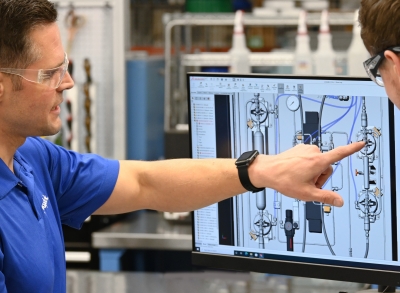
Closed-loop systems often represent the best method to help operators reduce emissions and improve safety (Figure 1).
Comparatively, some sampling methods may instead involve drawing process fluid, flowing it through the sample point, and flaring or otherwise disposing of the excess.
Other methods may simply tap part of the main process while the operator manually draws fluid into an open container.
These alternative methods not only increase the potential for unwanted fugitive emissions via flaring or exposed processes, but they can also present significant safety threats to operators.
Because they can eliminate waste by returning fluid to the main process, and because they can shield both operators and the environment from exposure to the fluid, closed-loop systems often represent the best method to help operators reduce emissions and maintain safe working environments.
QUALITIES OF LEAK-TIGHT CLOSED-LOOP SAMPLING SYSTEMS
A closed-loop system must be designed and constructed properly to minimise leaks at sampling points throughout the facility. There are a few features to look for when selecting a closed-loop system:
• Sampling systems are constructed from leak-tight components: A sampling system’s quality depends on the quality of its components.
For example, low emission (low-E) valves—which demonstrate through rigorous testing per API standards that they can minimise fugitive emissions—may be incorporated into the sampling system’s design to minimise the potential for unwanted leaks.
Certified low-E valves and other components are becoming increasingly common throughout the industry and in various fluid system applications as emissions regulations become stricter.
• Sampling systems are designed and assembled to minimise potential leak points: Even the highest-quality valve or fitting has the potential to leak under certain conditions.
By designing systems with as few connection points as possible, however, you can reduce the potential for unwanted leaks and resulting fugitive emissions.
If leaks do occur where high-quality components have been used, this is typically a result of improper installation practices. Customers need to ensure that their grab sampling systems have been assembled and tested by trained specialists to avoid these issues.
• Sampling systems feature optimal sample drawing technology: The point at which the technician draws the sample into a bottle or cylinder container represents another point where leaks can occur. There are a few technologies that can help eliminate them.
In a liquid closed-loop system where samples are collected in bottles, the fluid is commonly dispensed via a needle that pierces a rubber septum. Ideally, as the needle is withdrawn, the rubber septum reforms a complete seal. Lancet point needles are commonly used in these applications, but they may accidentally cut or "core" the septum, allowing fluid to escape.
A better needle design option is the pencil point needle, which reduces the potential for cutting the septum with a unique design that discharges the sample through a hole on the needle’s side.
In gas or volatile liquid sampling systems where cylinders are used, cylinders that feature easily operable quick connects will allow for efficient and safe connecting and disconnecting from your sampling point.
REDUCING FUGITIVE EMISSIONS IN SAMPLING SYSTEMS
Well-designed, closed-loop sampling systems can limit fugitive emissions by preventing exposure of process fluid to the environment.
They can also reduce risk to sampling system technicians by keeping process fluids fully contained.
The right supplier can provide easy-to-use, easy-to-maintain grab sampling panels in standard, configurable designs that can be reproduced across your facilities, not only minimising fugitive emissions and risk, but simplifying operator training and potential for errors.
No more news.
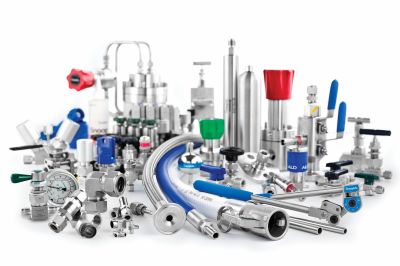
Swagelok fluid system products deliver the reliability, ease of installation, and lasting performance needed to keep processes and equipment operating safely, efficiently, and cost effectively.
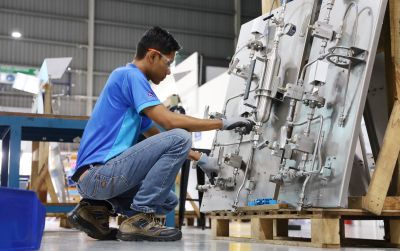
Receive dependable fluid system assemblies that are fully built and configured to your requirements, then tested by Swagelok-trained specialists.
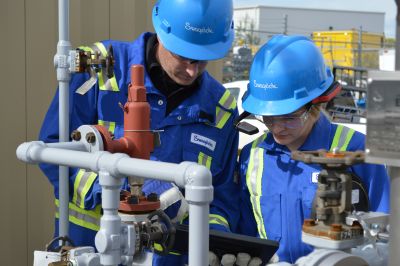
Boost system safety, performance, and efficiency when you have industrial fluid system professionals apply their technical expertise and rich experience to find existing issues or opportunities for improvement in your fluid transfer and sampling systems, then provide prioritized, actionable next steps.
Discover a variety of training courses developed to enhance your team’s critical skills for designing, installing, and maintaining high-performing fluid handling and sampling systems