The figures were released ahead of the 2026 edition of
Future Hospitality Summit – FHS World, which will take place at Madinat
Jumeirah in Dubai from September 29 to
October 1.
Around 88,000 rooms are currently under construction, while
a further 25,000 are in the final planning stages.
More than 55% of upcoming hotels in the region are expected
to be delivered between now and 2030, highlighting the scale of development
underway across the region’s tourism and hospitality markets.
Saudi Arabia is driving the expansion, with approximately
110,000 rooms under development across Riyadh, Makkah, Madinah, Diriyah, NEOM,
the Red Sea and AMAALA. The figure represents around half of the regional hotel
pipeline.
According to HVS, the scale of development in Saudi Arabia
is unprecedented, but the diversification of hotel products is equally
significant.
Projects range from large pilgrimage-focused hotels to
luxury resorts, branded residences and upper midscale accommodation.
Egypt is the second-largest market in terms of planned hotel
supply, with around 42,000 rooms in the pipeline.
Development is taking place across Cairo, the North Coast,
the Red Sea and emerging mixed-use destinations.
The UAE ranks third. Despite being a comparatively mature
hospitality market, the country continues to develop new destination-led
projects, particularly in Dubai, Abu Dhabi and Ras Al Khaimah. Developments
such as Wynn Al Marjan Island are further expanding the UAE’s international
tourism offering.
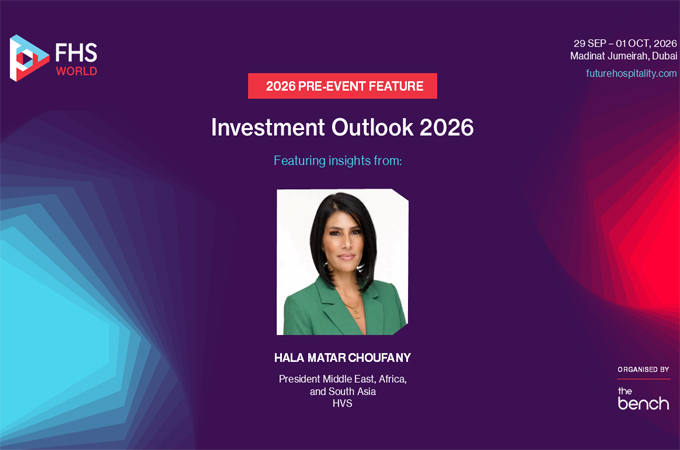
Hala Matar Choufany, President, Middle East, Africa and
South Asia at HVS, said: “The hotel development pipeline across the GCC and
North Africa remains one of the most significant globally, reflecting continued
investor confidence in the long-term fundamentals of the region's tourism and
hospitality sectors. The region’s investment in hotel expansion underscores not
only the scale of development, but also the depth of capital that continues to
back the region’s tourism ambitions.”
While the volume of development remains substantial, HVS
said the way capital is being deployed is changing.
Investors are increasingly favouring mixed-use developments,
branded residences and phased delivery models, which can improve project
economics and help manage risk.
Funding structures have also become more diverse, moving
beyond the traditional combination of developer equity and bank financing.
In Saudi Arabia, government-backed investment vehicles and
strategic public-private partnerships are supporting large-scale destination
projects, while developers across the wider region are using branded residences
and mixed-use components to diversify revenue streams.
“The region's hotel pipeline is no longer just a story of
scale, it's one of discipline, with capital deployed with far greater
intention. But what’s changed the most is how projects are financed. The sector
has moved well beyond the traditional mix of developer equity and bank debt. In
Saudi Arabia especially, large-scale destination developments are being
underpinned by government-backed investment vehicles and strategic
public-private partnerships, while developers across the wider region are
diversifying revenue streams through branded residences and mixed-use
components,” said Hala Matar Choufany.
The 200,000 new rooms are not expected to enter the market
simultaneously.
Instead, they will be delivered in phases, with around 44%
of the pipeline currently under construction and much of the remaining supply
expected to be completed progressively through 2030 and beyond.
Delivery timelines vary significantly between markets.
In Saudi Arabia, major destination developments are being
delivered in phases that extend well into the next decade.
The UAE has a shorter-term pipeline, with a significant
proportion of projects expected to open between 2028 and 2030.
Egypt’s development cycle is also spread across several
years, particularly in the North Coast, Cairo and Red Sea destinations.
Luxury and upper-upscale hotels currently account for the
largest share of planned supply. The trend reflects continued investor appetite
for premium experiences, international brands and integrated resort
destinations.
At the same time, HVS highlighted growing activity in the
upper midscale segment, particularly in Saudi Arabia.
Brands including Hampton by Hilton, Holiday Inn Express,
Fairfield by Marriott and ibis are expanding their presence as the Kingdom
seeks to support wider tourism objectives and provide more accessible
accommodation options.
The next stage of the region’s hospitality expansion,
however, will depend on more than the number of rooms delivered, according to
HVS.
Connectivity, infrastructure, talent, operational standards
and guest experience are expected to become increasingly important as new
destinations compete for international visitors and investment.
Hala Matar Choufany added: “The next phase of the region’s
hospitality industry will not be defined solely by the number of hotels
delivered. Success will increasingly depend on the fundamentals that support
long-term performance. Connectivity remains critical, whether through expanded
airlift, transport infrastructure or seamless digital access. Equally important
is service delivery: as new destinations emerge, investing in talent,
operational excellence and guest experience will be essential to ensuring that
new supply translates into sustainable demand and attractive investor returns.
“The outlook for the region remains positive, but, as
capital becomes more selective and markets more competitive, future winners
will be those destinations that combine ambitious development plans with strong
execution, connectivity and service excellence. Ultimately, the focus is
shifting from simply building hotels to creating sustainable, globally
competitive hospitality ecosystems.”
Ali Shahid, CEO of The Bench, organisersof FHS World, said
“This data reflects the extraordinary scale of opportunity across the region,
and the increasing sophistication of the region’s hospitality investment
landscape. At FHS World, investment and real estate will be at the core of the
conference agenda, with industry leaders examining where global capital sees
opportunity and how investors are recalibrating for returns.”
FHS World 2026 will take place at Madinat Jumeirah in Dubai from 29 September to 1 October under the theme ‘Reinvest in our Future’, bringing together stakeholders from the hospitality, investment and real estate sectors. -TradeArabia News Service
Send us your company’s news today and they could be featured on ABC’s Community News tommorow.