The UAE's office market remained undersupplied during the second quarter of 2026, driving double-digit rental growth in both Dubai and Abu Dhabi despite a challenging macroeconomic backdrop and ongoing regional disruptions, according to CBRE Middle East, the global leader in commercial real estate services.
While non-oil sectors such as tourism and retail have experienced softer performance, commercial real estate fundamentals across office and industrial markets have continued to show resilience, underpinned by supply constraints and sustained occupier demand, stated CBRE Middle East in its UAE Real Estate Market Review for the second quarter of 2026, thus highlighting a real estate market that continues to show durability despite a challenging macroeconomic backdrop and ongoing regional disruptions.
While ongoing geopolitical tensions continue to weigh on domestic economic activity, prompting a downward revision to the country's growth outlook for 2026, the UAE continues to benefit from strong policy support, economic diversification initiatives and sustained investor confidence, it added.
The report forecasts a marginal GDP contraction of 0.04% this year, reflecting the impact of disruptions to trade, tourism, aviation and other consumer-facing sectors, while highlighting expectations for a strong recovery in 2027 as regional conditions stabilize and economic activity normalises.
On office markets in Dubai, CBRE said the average office rents increased by 13% in the year-on-year to Q2 2026, while prime office rents grew by 16%.
Occupancy levels remained exceptionally high at approximately 94%, reflecting continued shortages of Grade A office stock.
Demand remains particularly strong within key commercial districts and freezones including DIFC, Tecom and DMCC, where pre-leasing activity continues to absorb a significant portion of future supply before completion.
Abu Dhabi’s office market has displayed similarly robust fundamentals. Average office rents rose by nearly 16% year-on-year, while occupancy rates reached approximately 96%.
Demand remains particularly focused on the Abu Dhabi Global Market (ADGM) freezone, supported by continued strong growth across financial services sectors, including hedge funds and other investment activities. With less than 300,000 sq m of new office space expected between 2026 and 2027, supply constraints are likely to persist in the medium term.
According to CBRE, Dubai’s residential market experienced a noticeable moderation during the second quarter as demand softened and transaction activity declined amidst a drop in quarterly launch activity.
While residential sales prices remained 1.9% higher year-on-year, rental performance has already turned negative, with average rents declining by 2.6% annually and by 6.2% quarter-on-quarter.
Increased supply, slower transaction activity and weaker occupier demand have contributed to an overall cooling market environment.
Transaction volumes fell by 29% year-on-year during Q2 2026, with fewer than 37,000 residential sales recorded during the quarter as compared to more than 51,000 in the same period last year.
Total transaction values declined to AED88 billion, down from nearly AED154 billion in Q2 2025. Approximately 18,000 residential units were completed during the first half of the year, adding to available inventory while helping moderate pricing pressures.
In contrast, Abu Dhabi’s residential sector continued to outperform many regional markets, supported by strong domestic demand and sustained investor confidence. Residential values increased by 21.6% year-on-year during Q2 2026, driven primarily by apartment price growth of 24.4%.
Rental growth remained positive at 3.6% annually despite short-term moderation during the quarter. Transaction activity was particularly strong, with sales values reaching AED 32 billion, representing a 150% increase compared to Q2 2025, while transaction volumes grew by approximately 80% year-on-year. The off-plan market remained the dominant segment, accounting for roughly 83% of all residential transactions and 85% of total sales value, reflecting continued demand for newly launched projects.
On the UAE retail market, CBRE said it continues to face pressure from softer tourism flows and changing consumer spending patterns. However, market occupancy levels remain exceptionally strong across major retail centers at approximately 98% in Dubai and 95% in Abu Dhabi, largely unchanged from a year earlier.
Rental growth in Dubai remained positive at around 3% year-on-year, while Abu Dhabi rents were broadly stable.
Looking ahead, developers are preparing for a significant wave of future retail completions, including major projects such as Al Khail Avenue in Dubai and the first retail phase of Saadiyat Grove in Abu Dhabi, it stated.
On the industrial and logistics market, the real estate expert said it remains a standout performer, supported by government-led industrial strategies, supply chain localisation initiatives and ongoing foreign direct investment.
Industrial exports reached AED262 billion in 2025, while programmes such as Operation 300bn and make it in the Emirates (MIITE) continue to attract manufacturing and logistics investment.
Despite regional supply chain challenges, leasing activity remains resilient and rental growth continues across major industrial hubs. In Dubai, strong rental growth was recorded across key logistics destinations including Dubai Industrial City, Dubai Investments Park and National Industries Park.
Abu Dhabi’s market was supported by significant investment commitments, including AED48.5 billion announced through the MIITE initiative and major new logistics agreements within Kezad.
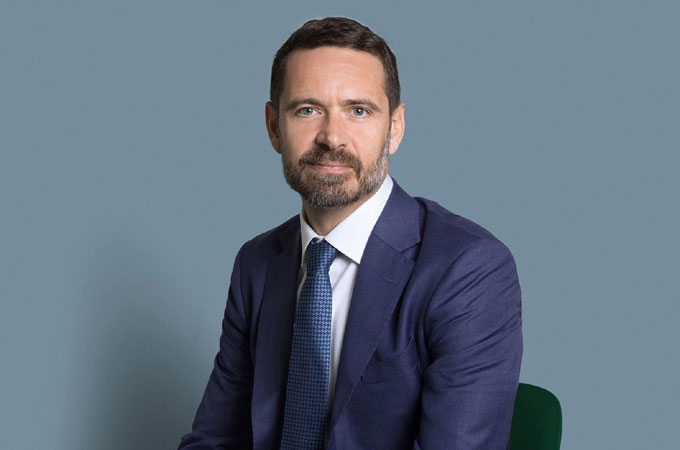
On the report, Matthew Green, Head of Research at CBRE Mena said: “The second quarter marked a notable shift in the UAE's economic and real estate landscape, as regional geopolitical developments began to weigh on business activity, tourism flows and broader market sentiment. While several sectors have seen a moderation in performance, the impact has been uneven, with office and industrial markets continuing to benefit from limited supply and sustained occupier demand.”
“What remains particularly noteworthy is the speed and scale of the UAE's policy response, from supporting business continuity and trade flows to advancing economic partnerships and diversification initiatives. Although near-term conditions are likely to remain challenging, the country's long-term growth trajectory remains supported by structural reforms, strategic investment and its position as a leading hub for trade, capital and talent,” he added.-TradeArabia News Service
Send us your company’s news today and they could be featured on ABC’s Community News tommorow.