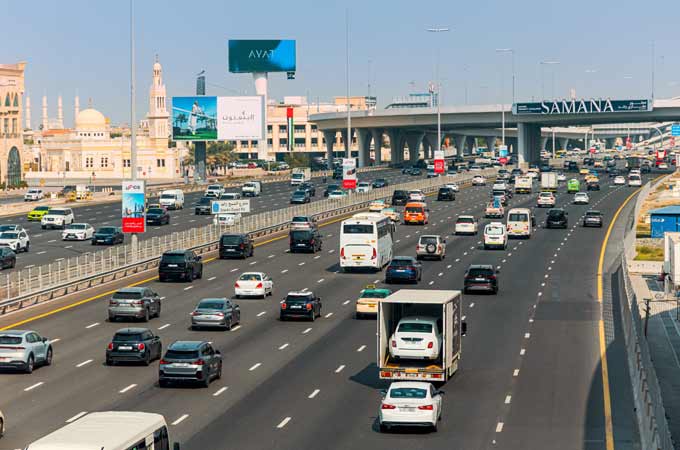
The Middle East and North Africa (MENA) vehicle sales is expected to decline by 3.9% y-o-y in 2026, to 3.90 million units, says a new report.
While the recent improvement in the regional operating environment reduces the risk of a more severe downturn, vehicle demand across the region will remain constrained by weak consumer confidence, elevated uncertainty and ongoing supply chain frictions, said a BMI report.
The impact will vary significantly across markets, with Iran and Lebanon expected to post the steepest contractions, while North African markets provide greater support to regional sales growth.
Gulf Cooperation Council vehicle sales are expected to decline by 2.4% y-o-y to 1.67 million units, with smaller markets such as Kuwait (-5.3%), Oman (-5.0%), Qatar (-4.6%) and Bahrain (-4.4%) facing the greatest pressure from trade disruption risks and weaker sentiment.
The larger Saudi and UAE markets should prove more resilient due to deeper domestic demand pools, although the report expects sales to fall by 1.5% and 2.5%, respectively.
The gradual recovery in trade flows through the Strait of Hormuz and lower oil prices should help ease some of the pressures that weighed on vehicle demand, the report said.
The shipping conditions are expected to improve gradually through Q3 2026, while Brent crude prices are forecast to trade in the $70-80/bbl range over H2 2026.
Lower energy and logistics costs should support vehicle affordability and reduce cost pressures for importers and distributors, although supply chains and trade flows are likely to remain below normal levels in the near term.
Iran and Lebanon will be among the weakest-performing vehicle markets in the region, reflecting the disproportionate impact of conflict-related disruptions on economic activity, consumer confidence and trade flows. We forecast vehicle sales in Iran and Lebanon to contract by 13.4% and 25.9% y-o-y respectively in 2026, to 973,044 and 10,414 units. In Iran, elevated inflation, weak economic activity and persistent uncertainty over the country’s economic outlook will weigh on consumer demand. In Lebanon, fragile confidence, weaker purchasing power and lingering disruption risks will continue to limit discretionary spending on highvalue purchases such as vehicles.
Within the Gulf Cooperation Council (GCC), the sales downturn will be broad-based but uneven, reflecting differences in market scale, import exposure and sensitivity to regional trade disruptions.
Send us your company’s news today and they could be featured on ABC’s Community News tommorow.