
A controversial new sporting venture is challenging one of the most fundamental principles of modern athletics — the ban on performance-enhancing drugs.
According to a report by CNN, the upcoming “Enhanced Games” will not just permit doping, but actively promote it, marking a radical shift in how elite competition could be defined.
Set to debut in May in Las Vegas, the event has already drawn global attention for its unapologetic embrace of human enhancement. In the lead-up, several dozen athletes are training at a high-performance camp in Abu Dhabi, where they are undergoing intensive coaching alongside personalised, medically supervised drug enhancement programmes, according to the CNN report.
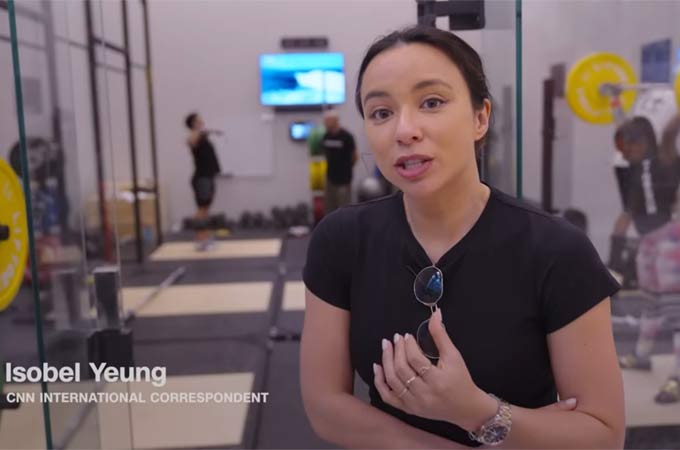
CNN's Isobel Yeung travelled to the training facility to investigate the initiative and speak with athletes preparing to compete in what many are calling a high-stakes experiment in body modification.
Around 40 athletes have reportedly signed up so far, including Olympic gold medallist Cody Miller. He acknowledged financial incentives as a key driver behind his participation, noting that athletes could earn more from a single Enhanced Games event than from multiple world championship titles. Miller also pointed to a broader belief in the concept of improving human performance and quality of life.
The organisers have ambitious plans beyond the inaugural event. Enhanced is expected to go public later this year, with projections valuing the company at around $1.2 billion. Regulatory filings suggest that revenue streams may extend beyond sport, including the commercialisation of performance-enhancing drugs for wider public use.
CEO Max Martin told CNN that the organisation’s vision is to “give everyone in the world the opportunity to live enhanced,” framing the concept as subjective and potentially transformative.
The venture has attracted high-profile financial backing, including billionaire Peter Thiel and Donald Trump Jr., with Martin acknowledging that the current political and cultural climate has been conducive to its growth.
However, concerns remain over athlete safety and the long-term health implications of such programmes. Participants are required to sign extensive consent agreements, addressing potential risks.
Sprinter Shania Collins admitted initial hesitation but said detailed consultations with medical professionals reassured her. She highlighted the intense pressure in elite sprinting, where marginal gains can define success, making the appeal of enhancement understandable.
Despite criticism that competitors may be treated as experimental subjects, Collins rejected the notion, emphasising that participation is voluntary and informed.
Send us your company’s news today and they could be featured on ABC’s Community News tommorow.