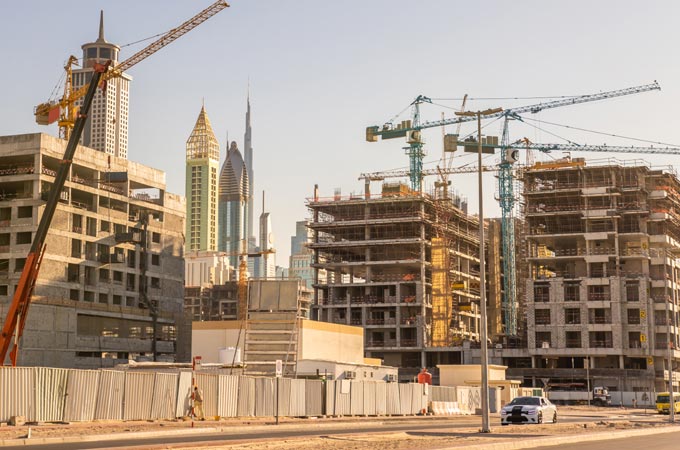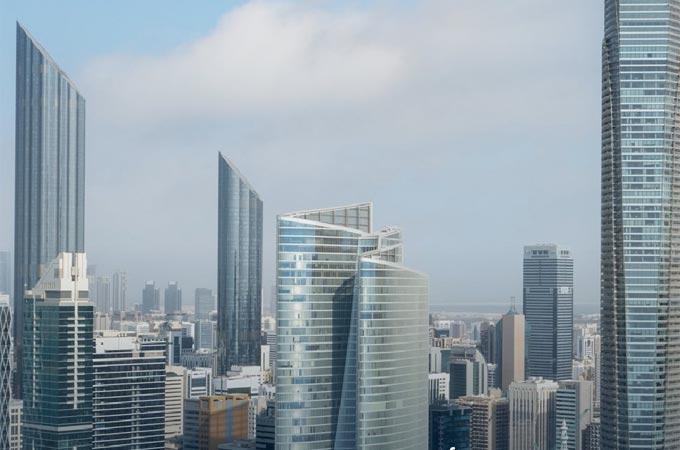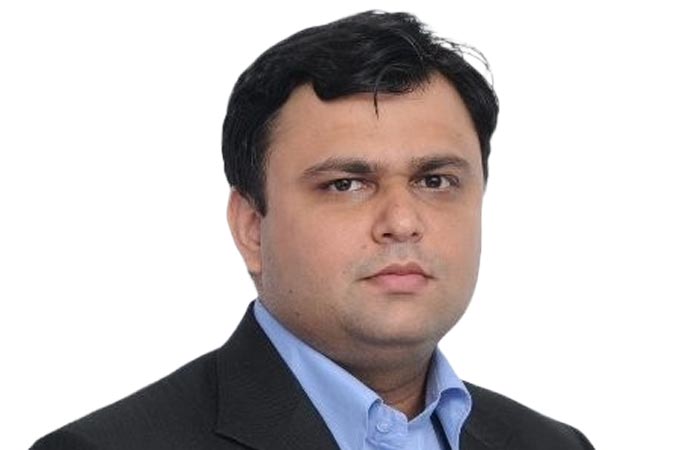
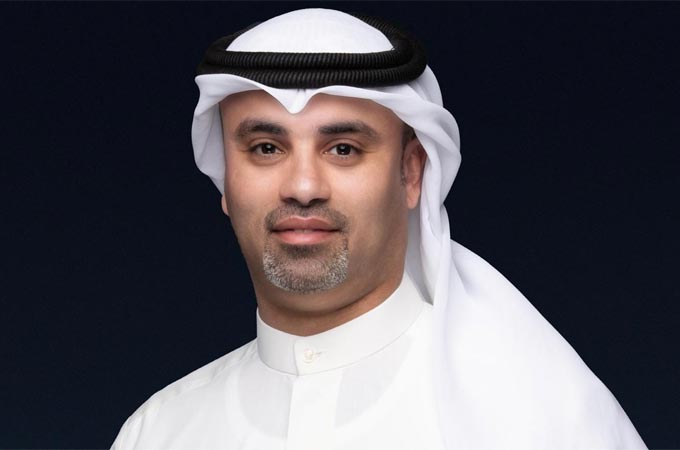
The UAE’s real estate market is one of the Gulf’s most resilient markets and is able to absorb geopolitical shocks thanks to its diversified investment base and openness to global capital flows, according to an expert.
The emirates of Dubai and Abu Dhabi have, in
recent years, reinforced their status as regional and global hubs for business,
residency, and investment, supported by advanced legislative frameworks,
regulatory flexibility, and high-quality developments across the luxury
residential, tourism, and mixed-use sectors, noted Kuwaiti economist and
founder of Al-Wathiqa Regional Real Estate, Abdulrahman Al-Husseinan.
He added that market data through the end of
2025 indicate continued momentum in real estate transactions across Dubai and
Abu Dhabi, driven by strong foreign demand and financial stability. This
reflects the strength of the country’s economic fundamentals and the UAE
market’s ability to navigate geopolitical challenges while maintaining solid
performance.
Al-Husseinan emphasized that the UAE’s
experience in managing real estate market cycles, alongside the diversification
of its non-oil economy, has strengthened the sector’s resilience and sustained
attractiveness during periods of uncertainty.
He noted that investors increasingly view Dubai
and Abu Dhabi as relatively stable investment havens within a volatile regional
environment.
Al-Husseinan also noted that the current
geopolitical developments in the Middle East cannot be viewed in isolation from
the broader economic landscape of the Gulf Cooperation Council (GCC). He
explained that the region’s real estate markets are directly influenced by such
developments, given the strong interconnection between local economies and
cross-border investment flows.
Al-Husseinan said that the Gulf economy today
is open and highly interconnected. It is no longer an isolated local market,
but rather an integrated investment system whose effects extend across all GCC
countries.
He noted that available data indicate total
real estate transaction values across the Gulf exceeded $380 billion by the end
of 2025, with continued growth expected across residential, investment, and
commercial segments in the coming period.
He added that the real estate sector
contributes between 15% and 18% of GDP in some GCC countries.
He explained that this interconnection links
the impact of political developments to investor expectations, particularly in
terms of increased demand for safe real estate and other fixed assets compared
with higher-risk investments.
Al-Husseinan noted that the current impact is
more evident in market sentiment rather than in strong economic fundamentals.
He emphasised that the supply-demand gap remains contained in many Gulf markets
thanks to liquidity, financial solvency, and sustained domestic demand
supported by rising income levels and increasing urban development rates.
He stressed that political and security
stability remains the decisive factor in restoring full market activity.
However, he clarified that the region is not facing an economic collapse or
weakened real estate fundamentals. Rather, it is experiencing a calculated
phase of reassessment and cautious anticipation by investors. He expects the
impact to remain short-term unless geopolitical tensions persist for an
extended period. – TradeArabia News Service
Send us your company’s news today and they could be featured on ABC’s Community News tommorow.