The Kingdom of Saudi Arabia is projected to generate SAR1.15 trillion ($310 billion) in revenue in 2026, up 5.1% over the 2025 estimate, underscoring the gains from the country’s ongoing economic diversification agenda, said a report.
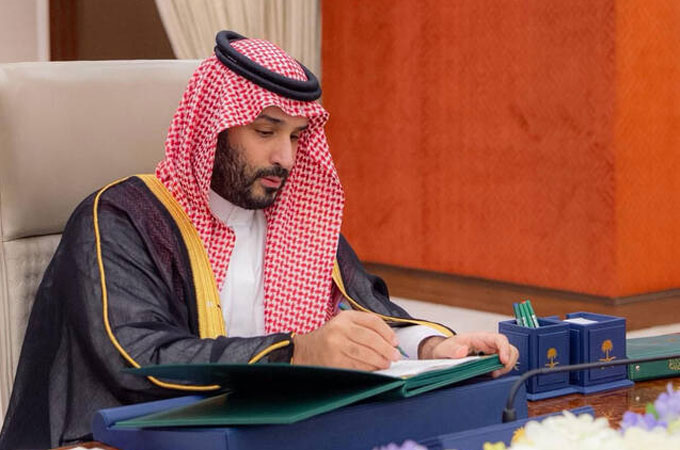
The 2026 budget, approved yesterday (December 2) by Crown Prince Mohammed bin Salman bin Abdulaziz Al Saud during a Cabinet meeting in Dammam, sets total expenditure at SAR1.31 trillion, slightly below the SAR1.34 trillion planned for 2025, reported Arab News, citing the Budget Statement released by the Ministry of Finance.
The ministry said the government remains focused on enhancing spending efficiency, bolstering the quality of essential services, and advancing giga-projects and priority national strategies aligned with the objectives of Saudi Vision 2030.
Budget deficit expected to reach around SR165 billion in 2026, or 3.3 percent of GDP, supported by targeted countercyclical spending policies.
The ministry said the government remains focused on enhancing spending efficiency, bolstering the quality of essential services, and advancing giga-projects and priority national strategies aligned with the objectives of Saudi Vision 2030.
These efforts include the continued development of infrastructure, improvements to quality of life, and strengthening public services for citizens, residents, and visitors, said the ministry in its statement.
Revised estimates for 2025 point to a budget deficit of SR245 billion, equivalent to 5.3 percent of gross domestic product. The deficit is expected to reach around SR165 billion in 2026, or 3.3 percent of GDP.
Crown Prince Mohammed bin Salman said the 2026 state budget reaffirms the kingdom’s commitment to placing citizens’ welfare at the center of government priorities, reported Saudi Press Agency.
He instructed ministers and officials to actively implement the programs and projects outlined in the budget - particularly development and social initiatives that advance Saudi Vision 2030 - emphasizing that citizens and their services remain the top priority.
According to the SPA, the Crown Prince Mohammed bin Salman noted that the structural transformation achieved since the launch of Vision 2030 has boosted non-oil sector growth, kept inflation below global averages, improved the business environment, strengthened the private sector’s role as a key development partner, and positioned the Kingdom as a global economic and investment hub.
He said the government continues to support economic growth while maintaining fiscal sustainability, enhancing the local economy’s resilience to global fluctuations and sustaining development momentum. This is being achieved through disciplined and flexible fiscal, economic, and social policies, long-term planning, and the strategic use of sovereign financing tools under a medium-term debt framework.
The crown prince highlighted positive economic indicators as a continuation of ongoing reforms under Vision 2030. Preliminary estimates show real GDP growth of 4.6 percent, driven by a 4.8 percent expansion in non-oil activities, which continue to anchor economic performance.
He stressed that the 2026 budget underscores the government’s commitment to strengthening the resilience and flexibility of the local economy, supporting sustainable growth, and enabling it to navigate global economic challenges, said the SPA report.
The budget deficit is estimated to continue at lower levels over the medium term, due to the government’s adoption of targeted countercyclical spending policies, said the ministry in its report.
“The government is committed to maintaining a balance between responding to economic cycles and adhering to fiscal sustainability targets.”
The budget also projects real GDP growth of 4.6 percent in 2026, in line with the figure outlined in the pre-budget statement issued in September.
Send us your company’s news today and they could be featured on ABC’s Community News tommorow.